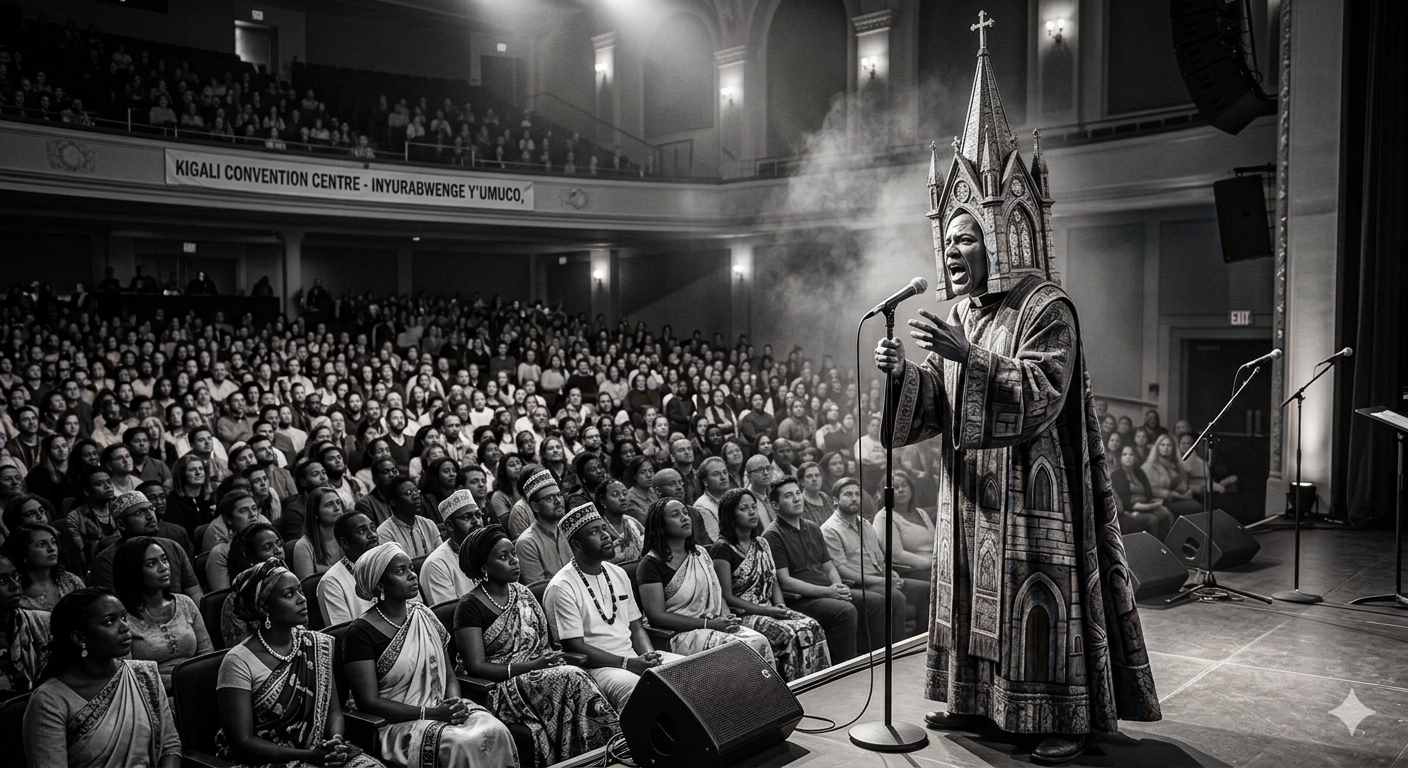
From Silence to Moral Authority: A Call to the Church in Rwanda
There are moments in history that do not merely pass—they define. They expose what lies beneath institutions, beliefs, and leadership. For Rwanda, the 1994 Genocide against the Tutsi remains one such moment. It was not only a national tragedy; it was also a spiritual crisis. And within that crisis, the Church—an institution entrusted with moral clarity—found itself, in many instances, tragically silent.
This silence did not begin in 1994, nor did it end there. It is a deeper condition—what might be called a “mastery of silence”—that has, at times, shaped the Rwandan spirit. A cultural inclination toward diplomacy and restraint, while often virtuous, can become dangerous when it suppresses truth in moments that demand courage. Silence, in such moments, is not neutrality. It is absence. And absence, when evil is present, carries consequences.
During the genocide, the Church’s moral authority was profoundly shaken. The involvement of some clergy and congregants in the violence, alongside the hesitation or failure of others to speak and act decisively, created a rupture between the Church’s calling and its witness. The delay to confront, denounce, and decisively separate from the atrocity was not merely an institutional failure—it was a spiritual one.
To say this is not to single out the Church alone. The silence of that era extended across political, social, and international systems. Yet the Church bears a unique burden: it claims to speak for truth, justice, and the dignity of every human being. When it falters, the vacuum is felt more deeply.
And yet, history does not end in failure. It invites response.
In the years following 1994, the Church in Rwanda has played a significant and commendable role in national healing. Across the country, churches became spaces of reconciliation. Clergy participated in community justice processes, including the Gacaca courts. Pastors and priests devoted countless hours to counseling survivors, ministering in prisons, and guiding communities through the long and painful journey of restoration.
These efforts matter. They have contributed to the remarkable story of Rwanda’s recovery—a story in which unity, reconciliation, and national rebuilding have taken center stage. The Church has not been absent in this chapter; indeed, it has often been present in meaningful and sacrificial ways.
But here lies a critical question: Has the Church fully reclaimed its moral authority—or has it remained, in some ways, quietly present but not boldly prophetic?
Rwanda’s post-genocide political leadership has demonstrated something worth observing. It has not hidden from the past but has actively distanced itself from the ideologies that led to division and violence. It has articulated a clear vision: a nation free from ethnic division, committed to unity and development. And importantly, it has not been silent about its progress. It has spoken, demonstrated, and embodied a new direction.
The Church must do the same.
Moral authority is not reclaimed through quiet service alone—though service is essential. It is also reclaimed through clear identity, visible transformation, and courageous voice. The Church must not only do good; it must be seen to stand for what is right, to reject what is evil, and to proclaim a vision worthy of the nation it serves.
What would it look like for the Church in Rwanda to fully step into this calling?
It would be a Church that is unmistakably united, rejecting every form of division—ethnic, social, or political—that contradicts the gospel it proclaims. It would be a Church that is transparent about its past, not defensive, but honest—acknowledging failures while clearly separating itself from those who betrayed its mission.
It would be a Church that is actively and visibly opposed to genocide ideology, not only in times of crisis but in everyday teaching, discipleship, and public engagement. It would be a Church that is loud in reconciliation—not merely hosting programs, but shaping a national narrative of forgiveness, justice, and shared future.
It would be a Church that is present in nation-building, partnering with institutions, supporting development, and speaking into policies that affect the dignity and flourishing of all Rwandans.
And above all, it would be a Church that is prophetic—not in a partisan sense, but in a moral one. A Church that is unafraid to speak truth, even when truth is uncomfortable.
Silence, when chosen in the face of injustice, is not humility—it is abdication. The days of silent complicity must remain in the past. The future demands something different.
The Church must recover its voice.
Not a voice of condemnation, but of conviction. Not a voice of division, but of unity. Not a voice of fear, but of courage.
For religious leaders, it is a call to lead with clarity, integrity, and boldness.
For the nation, it is a vision of a spiritual community that does not withdraw from history but helps shape it.
Rwanda has already shown the world that renewal is possible—that from the depths of tragedy can rise a nation marked by resilience and vision. The Church now stands at a similar threshold.
It can remain quietly engaged, doing good work yet unseen in its full moral force. Or it can rise—clearly, boldly, and faithfully—into a new era.
An era where it is no longer defined by silence, but by truth. No longer marked by hesitation, but by courage.
No longer shadowed by the past, but illuminated by a vision of what it can become.
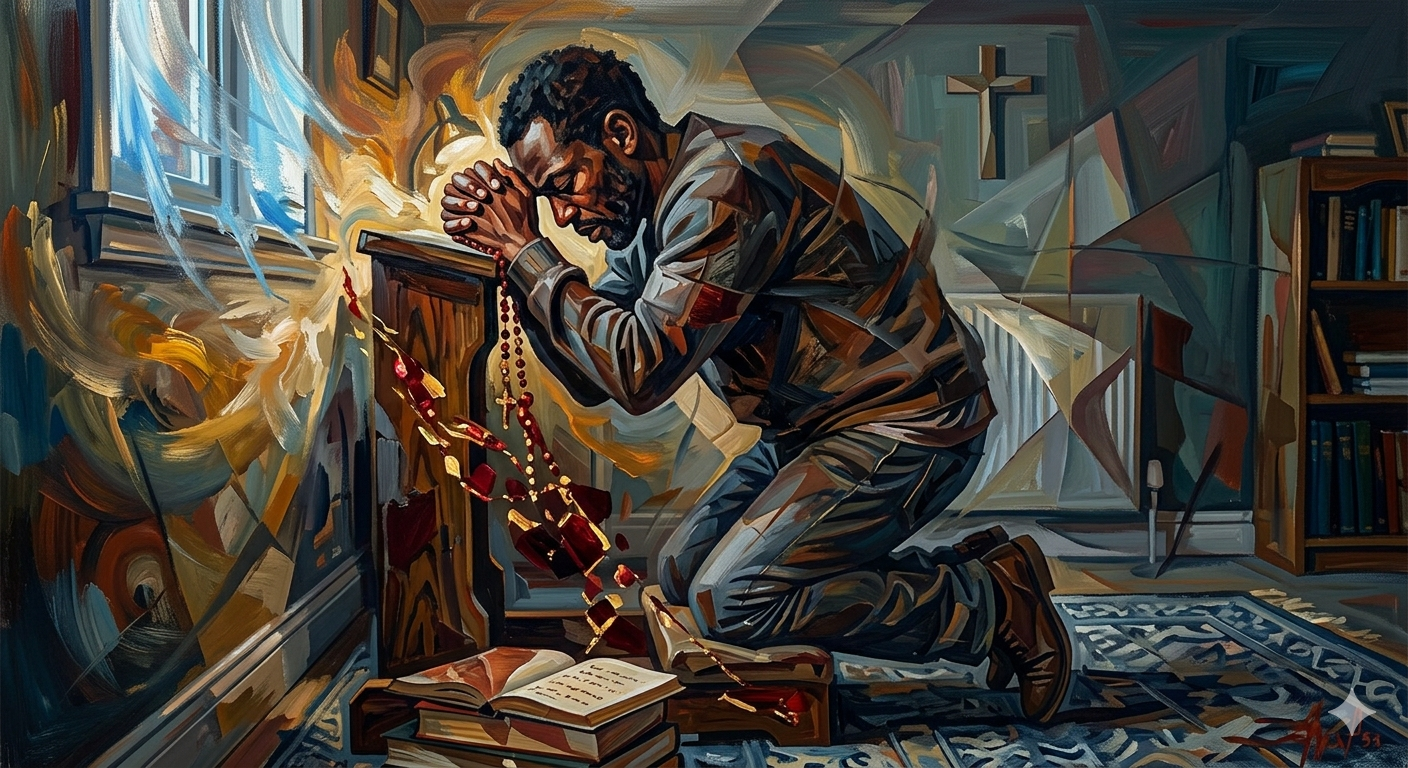
The moral authority of the Church will not be restored by time alone. It will be restored by voice, action, and integrity.
And the time to begin—loudly, clearly, and faithfully—is now.



(2) comments
Very remarkable
Prince NZIZA
This is heart touching ❤️